World, a startup co-founded by Sam Altman, recently released AgentKit. This popular software development tool will allow commercial websites to adopt this new verification system. This innovative tool allows websites to confirm that a real human is responsible for purchasing decisions made by automated agents.
AgentKit is uniquely placed to supercharge agentic commerce, a new term describing transactions conducted by AI-powered agents. Tools for Humanity (TFH), the creators of Worldcoin, released the alpha version of this verification tool. They developed it as a reaction to the growing use of AI-generated content in ecommerce spaces. Similar to AgentKit, consumers need to get a verified World ID. This ID is the result of a one-of-a-kind iris scan performed with World’s Orb device.
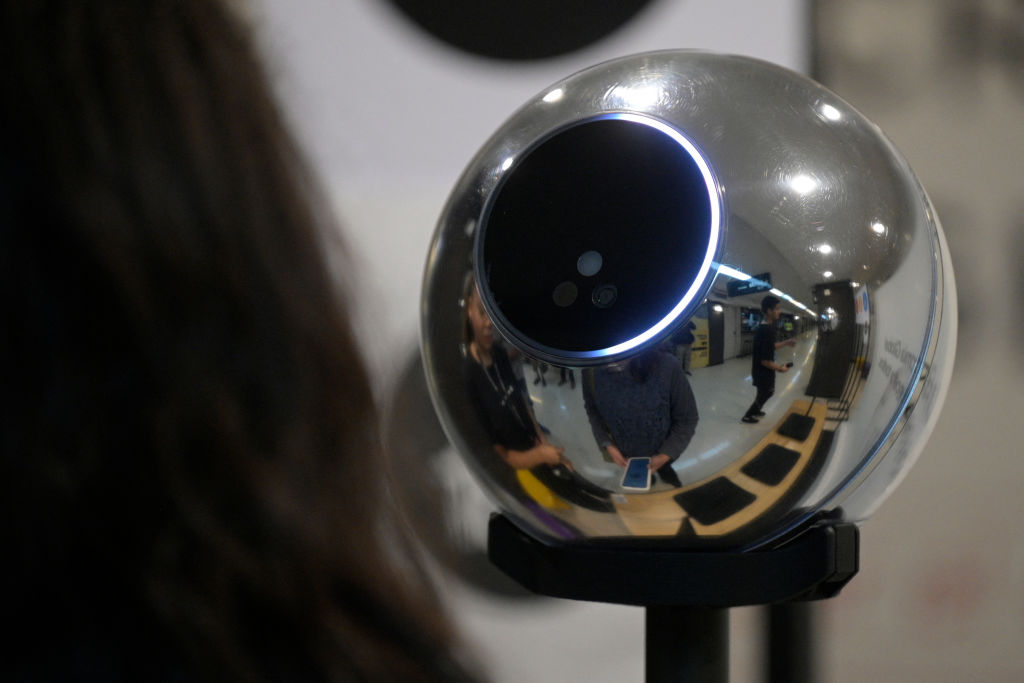
The Orb eye-tracking device being used to scan a potential user’s eyes. It then converts the iris into a distinct and irreversible digital code, producing the verified World ID. This ID is very important for TFH’s verification system. It introduces users to a new world of services unlocked by the World app. Beyond the security of each individual device, the verification process helps make sure that only authenticated individuals can engage in transactions through agentic commerce.
According to Tiago Sada, the Chief Product Officer of Tools for Humanity, the World ID is critical for that inclusion. One of its most important functions is verifying a person’s identity. He continued, “What the World ID badge doesn’t tell you is that someone is a real and a unique human. This announcement is a testament to the company’s continued efforts to build trust in a marketplace that has become more and more reliant on AI-generated communications.
The introduction of AgentKit comes at a time when major companies such as Amazon and MasterCard have already implemented automated buying capabilities on their platforms. On this note, Google has recently announced its own protocol to support agentic commerce. With an added layer of trust through a verification system, World intends to create a safe environment where real human engagement is valued over AI-driven transactions.
Sada further explained the role of AgentKit, describing the function as adding “power of attorney” to an agent. Our analogy definitely undersells the impact of the new tool. It protects consumers so they can buy from verified people instead of the shadowy figures that lurk online.
The development of such verification tools has been made all the more urgent as the nature of online commerce has changed drastically. As this new technology pours into every corner of our digital experiences, keeping a clear line of what is human and what isn’t will be vital. The authentic World ID protects against the risk of AI agents being misused by bad actors in corporate contexts.
Together, AgentKit and World ID are a glimpse toward a future of proactive measures protecting the trust that makes online shopping possible. These tools produce an extremely tight feedback loop between human beings and their buying behavior. Their vision is to create a safer and more trusted digital economy.