

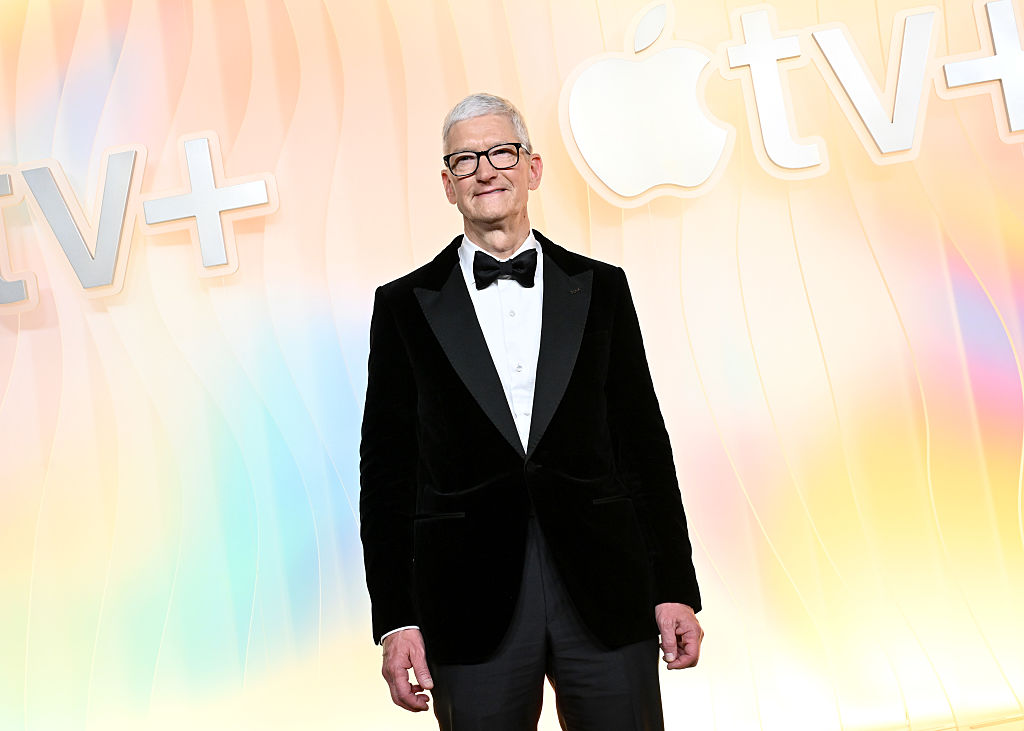
During Apple’s most recent earnings call, CEO Tim Cook announced the company’s record-breaking quarterly revenue of $143.8 billion. He was in a good mood, though. At the same time, analysts were peppering them with questions – from the mundane to the deep-dive. Notably, one question stood out, addressing a concern that many in the tech industry have yet to confront: how companies plan to recoup their investments in artificial intelligence.
It was a golden day in sunny Cupertino for the earnings call, with Cook confidently addressing Apple’s successes and future developments. Amidst a backdrop of mostly soft inquiries, Erik Woodring, an analyst at Morgan Stanley, stepped forward with a challenging question. He pressed Cook on the additional expenses associated with Apple’s AI developments. He too poked at murky monetization schemes that competitors have adopted.
“When I think about your AI initiatives, you know, it’s clear there are added costs associated with that… Many of your competitors have already integrated AI into their devices, and it’s just not clear yet what incremental monetization they’re seeing because of AI,” – Erik Woodring.
This question was on the mind of every industry onlooker. It was especially timely in light of the enormous financial pressures companies, like OpenAI, are under. For all its lofty and daring pursuits, OpenAI has recently announced that it won’t begin turning a profit until 2030. Analysts at HSBC are seconding that doubt, saying they doubt OpenAI’s timeline. They emphasize that the company is still short $207 billion in funding to fully achieve its stated goals.
In reply to Woodring’s question, Cook honed in on Apple’s promise to weave artificial intelligence into the fabric of all its products. He reaffirmed the company’s commitment to creating desired user experiences powered by intelligent features. He is confident these innovations will provide even more value and unlock new opportunities through their entire product and solution portfolio.
“Well, let me just say that we’re bringing intelligence to more of what people love, and we’re integrating it across the operating system in a personal and private way, and I think that by doing so, it creates great value, and that opens up a range of opportunities across our products and services,” – Tim Cook.
Amanda Silberling, a senior writer at TechCrunch who covers the intersection of technology and culture, noted that Woodring’s question tapped into a critical issue at a time when many tech firms are exploring AI’s potential while grappling with profitability. Silberling graduated with a B.A. in English from the University of Pennsylvania. Prior to TNC, she served as a Princeton in Asia Fellow in Laos.
As the conversation about artificial intelligence continues to develop, Cook’s answers on this earnings call won’t do much to stop investors from worrying. Grand AI plans bump up against the hard reality of how to make money. This tension points to a broader ambivalence in Silicon Valley about the fiscal sustainability of these technologies.
