

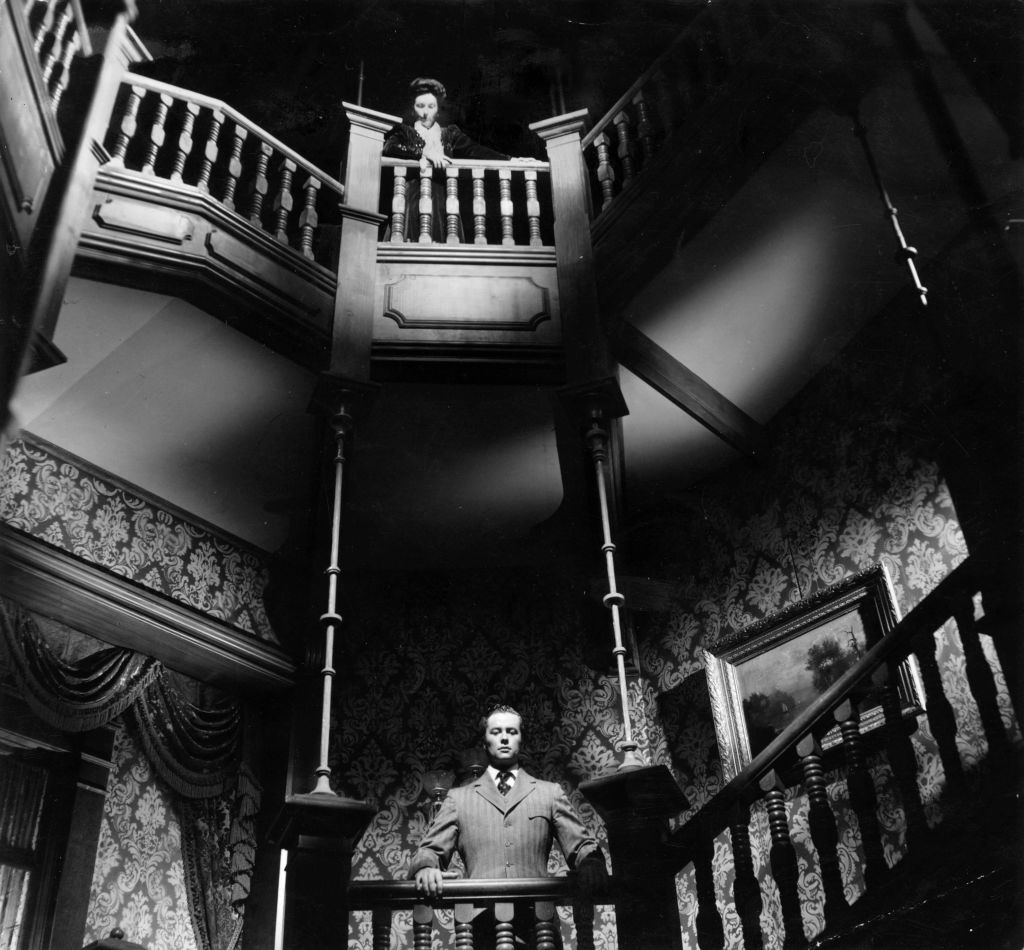
Orson Welles, a figure synonymous with cinematic innovation, would go on to say that “The Magnificent Ambersons” was a “much better picture,” than his most lauded work. Needless to say, he was talking about “Citizen Kane.” The film that so inspired audiences when it premiered in 1942. It fell victim to heavy cuts and rewrites following a disastrous test screening. Studio executives fought to rescue the shipwreck that most had written off as a disaster. They deleted 43 minutes of scenes and slapped on a jarring cheery ending, but all of that just didn’t work for an audience. Sadly, the studio subsequently destroyed the original footage in order to make space in their vaults. This loss left a huge gap in Welles’ artistic vision.
Now, a startup called Fable wants to bring back this faded gem of cinematic history with next generation generative AI wizardry. Founded by Edward Saatchi, Fable is dedicated to recreating the excised footage, which many believe contains the essence of Welles’ directorial genius. Abadian filmmaker Brian Rose has joined with Fable on this ambitious project. Throughout the decades since then, Rose has battled fiercely to see moments returned to life from “The Magnificent Ambersons.” She extrapolates his vision from them with the help of animated sequences made according to the film’s original script, photographs, and notes Welles left behind.
In addressing the difficulty of attempting to recreate Welles’ work, Rose mentioned that so far, responses from fellow peers have been divided. “A lot of them were scratching their heads,” he said, reflecting on the skepticism surrounding the project’s feasibility.
With the restoration project comes an opportunity to reclaim the scenes that have long been lost. It addresses glaring technical mistakes that are present in the original movie. For one, it aims to repair the infamous two-headed version of Joseph Cotten. It’s intended to restore some of the great lighting and shadow that used to define Welles’ cinematic style.
Simon Callow is an actor and Charles Dickens biographer. He is now completing the fourth volume of his multi-part biography on Welles and serving as an expert advisor on the project. His knowledge of Welles’ artistic intentions will inform Fable every step of the way. This will keep the team accountable to ensure they stick to the original vision.
For all the enthusiasm around the project, there are notes of caution from those who knew Welles best. Beatrice Welles, Orson Welles’ daughter, expresses skepticism regarding the endeavor but acknowledges Fable’s respectful approach toward her father’s legacy. She stated that while she has reservations about achieving the film’s original intent, she appreciates the company’s commitment.
“I believe Fable is approaching it with enormous respect for my father and the movie.” – Beatrice Welles
Galt told us that her mother would have “not been OK” with the notion of re-creating footage that was once in the film. She added a nuanced perspective on fidelity to the original work:
“It’s a creation of someone else’s truth. But it’s not the original, and she was a purist.” – Melissa Galt
As the world continues to debate creativity versus authenticity, Edward Saatchi is still hopeful that Fable’s goal can be accomplished. He called that project—at the time still in development—the “holy grail of lost cinema,” and it’s easy to see why such a project could drastically change film history.
