

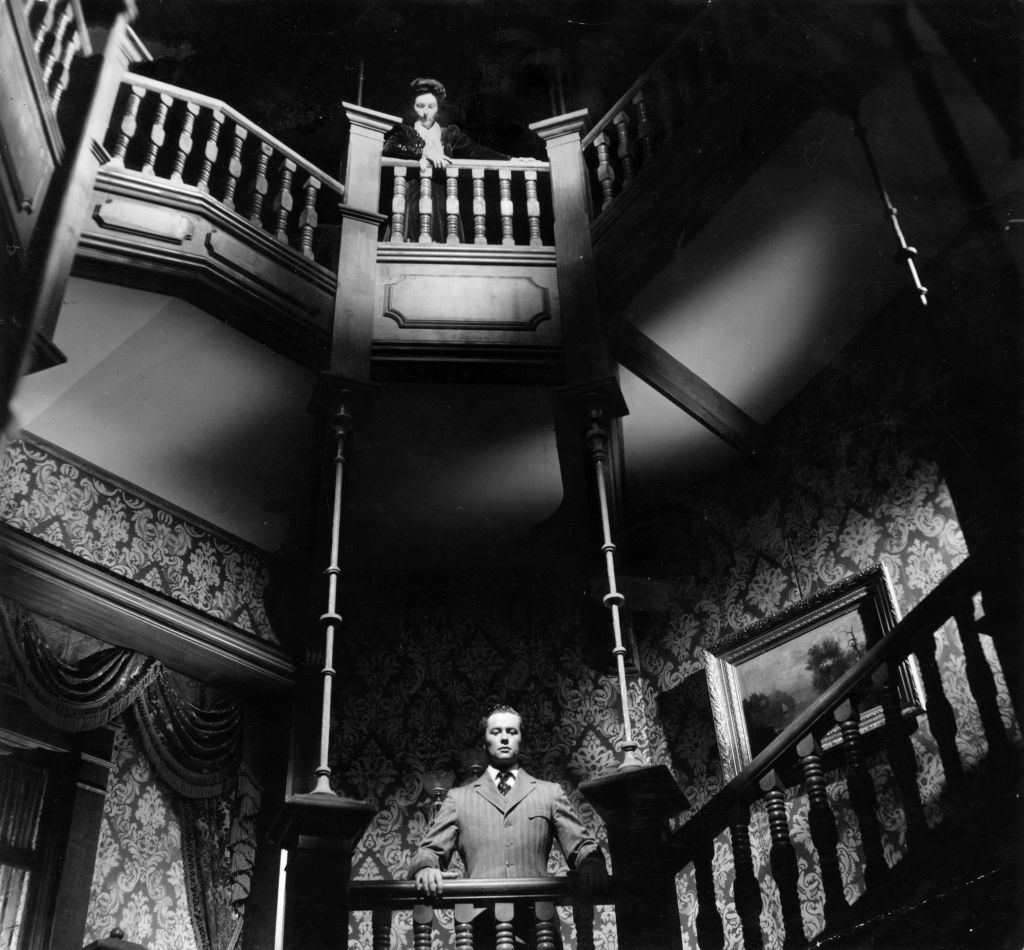
Filmmaking lovers have been abuzz over an exciting new project. It debuts an effort to reimagine destroyed footage from Orson Welles’ second feature film, “The Magnificent Ambersons.” This initiative, spearheaded by startup Fable and its founder, Edward Saatchi, seeks to bring back the essence of a film that Welles once claimed was “much better” than his acclaimed debut, “Citizen Kane.” The project has turned heads largely due to its brash technological aspirations. It touches on the emotional heartaches involved with that legacy and the original film’s inauspicious past.
Based on Booth Tarkington’s novel, the Magnificent Ambersons, released in 1942, had a troubled production. After a disastrous test screening, studio executives sent them back to the chopping block to trim 43 minutes from the final cut. This resulted in the film getting a last-minute happy ending, often described by critics as both sudden and unsatisfying. Compounding the film’s fate, the excised footage was destroyed to create space in the studio’s vaults, leading to a sense of loss among cinephiles and historians.
Fable is approaching things creatively and contemporarily, using generative AI to fill in the lost footage. This audacious move ignites important conversations about authenticity, artistry, and artistic integrity. While Orson Welles’ daughter Beatrice Welles had been skeptical about the project, she told us that she has changed her mind. Since then, she’s convinced the team behind the complex is the right fit to continue her father’s legacy. They’re paying homage to the artistry of the original movie.
“To me, this is the holy grail of lost cinema.” – Edward Saatchi
Filmmaker Brian Rose has been collaborating with Fable on the project by animating scenes based on the original script, photographs, and notes left by Welles himself. Rose was able to screen his animated results recently for family and friends, but felt their skepticism.
“A lot of them were scratching their heads,” – Brian Rose
Rose’s work aims to capture the rich lighting and shadows characteristic of Welles’ cinematography. Despite the stories, the technical work behind the project ran into issues, even having to fix clear mistakes like a two-headed interpretation of actor Joseph Cotten.
Simon Callow, the actor and biographer, just finished the middle volume of his multi-volume biography of Welles. His involvement adds an extra layer of credibility to this exciting endeavor. Supporters like Callow hailed the project as a “great idea.” He is now bringing that same expertise to bear to ensure it actually lives up to Welles’ vision.
Even with all this optimism around the AI project, worries over artistic authenticity are very real. Critics say that employing mixed reality tech to recreate what’s been lost raises some critical questions. Can it ever truly recreate the artist’s original vision? Melissa Galt expressed this sentiment by stating,
“It’s a creation of someone else’s truth. But it’s not the original, and she was a purist.”
The New Yorker just came out with a great longform piece on this ambitious effort. What they chose not to show was any footage of the final live-action AI hybrid creations. This decision underscores the ongoing debate about whether technology can successfully bridge the gap between lost cinema and modern interpretations.
Fable is in full development on its vision for “The Magnificent Ambersons”. This process has led to a great deal of excitement as well as trepidation from various sectors of the film industry. The purpose of the project is to bring back resurrected lost scenes. It aims to pay tribute to Welles’ legacy while honoring his unconventional artistic vision.
