

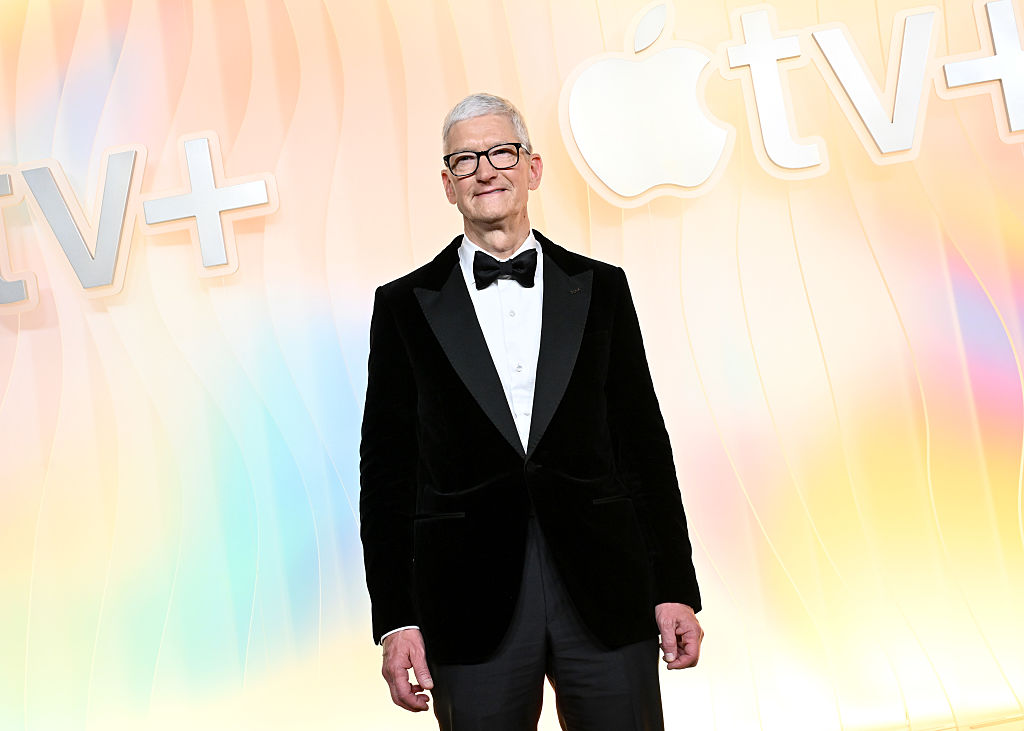
All that buzz was deserved, as specifically during Apple’s recent fourth quarter earnings call, Cook announced record-setting $143.8 billion in revenue. This milestone represents the technology behemoth’s stellar financial results. While Cook appeared to be enjoying a good afternoon, the atmosphere shifted when analyst Erik Woodring posed a question that many in Silicon Valley have been hesitant to address: how does Apple plan to recoup its investments in artificial intelligence?
Throughout the entire earnings call, one could hear the analysts aimed their questions squarely at Cook. As it happened, most of these inquiries were not very difficult or “softball” in nature. Woodring’s question surfaced an essential truth for tech companies. Despite all of the resources they are pouring into AI technologies, most of them do not have a clear monetization strategy.
“When I think about your AI initiatives, you know, it’s clear there are added costs associated with that… Many of your competitors have already integrated AI into their devices, and it’s just not clear yet what incremental monetization they’re seeing because of AI,” – Erik Woodring
Though Woodring’s question was an elementary one, Cook did not answer directly. Rather, he painted a picture of Apple’s clear direction towards incorporating intelligence into their products, both past and future, in ways that truly add to the user experience.
“Well, let me just say that we’re bringing intelligence to more of what people love, and we’re integrating it across the operating system in a personal and private way, and I think that by doing so, it creates great value, and that opens up a range of opportunities across our products and services,” – Tim Cook
AI is going to produce returns at some point in time financially,” Cook said. The details about how exactly this will take place are still not clear. In fact, the AI investment uncertainty is something that’s affecting all of Apple’s competitors. OpenAI recently declared itself a non-revenue generating entity until 2030. This soon to be released timeline has prompted some skepticism among market analysts at HSBC.
HSBC analysts are skeptical of OpenAI’s ability to fulfill its estimates by 2030. They note that the company is short $207 billion in funding to meet its lofty goals. This situation highlights the challenges tech firms face as they navigate the integration of AI while seeking viable monetization strategies.
The AI policy conversation is changing quickly. Industry experts are on the lookout for how leading companies such as Apple will react to financial pressures, and whether they will be able to successfully monetize their artificial intelligence investments.
