CES 2026 has already opened up an amazing world of innovation. This time, industry leaders like Nvidia, AMD, and Amazon were already on stage and showing off their big advances. The event, held annually in Las Vegas, serves as a platform for unveiling groundbreaking products and innovations that promise to shape the future of computing and consumer electronics. This year, the focus has been on artificial intelligence (AI), robotics, and user-friendly designs, indicating a clear shift in how technology integrates with everyday life.
AMD recently dropped a bombshell when it announced its new Ryzen AI 400 Series processors. These processors are targeted for high-end workstation and gaming use. These new processors are AMD’s latest move in the PC-to-AI revolution that aims to bring the power of AI to the masses via personal computers. They hope to stay ahead of the growing computation needs produced by the accelerated deployment of AI technologies into sectors such as healthcare, education, finance and even democracy itself.
Transition from Blackwell to Rubin Architecture
It will eventually supplant the old Blackwell architecture, sometime in the second half of this year. This is a particularly exciting transition as it was purpose-built to meet the intense computational demands brought about by the integration of AI.
We developed the Rubin architecture to maximize processing power and efficiency, to allow for AI applications to run more seamlessly. AI is rapidly permeating every facet of the consumer device landscape and enterprise solution. Accelerating the future. Against this backdrop, the need for more advanced computing architectures is growing exponentially.
AMD’s recent announcement about its new Ryzen AI 400 Series processors is part of this trend. Throughout the call, the company underscored its mission to enabling AI superpowers for PCs. AMD is cranking up processing power with new chips as well. That will enable more holistic and natural ways of building AI into users’ everyday workflows, whether they’re playing a game or focusing on productivity.
Innovations from Nvidia and New Robotics Goals
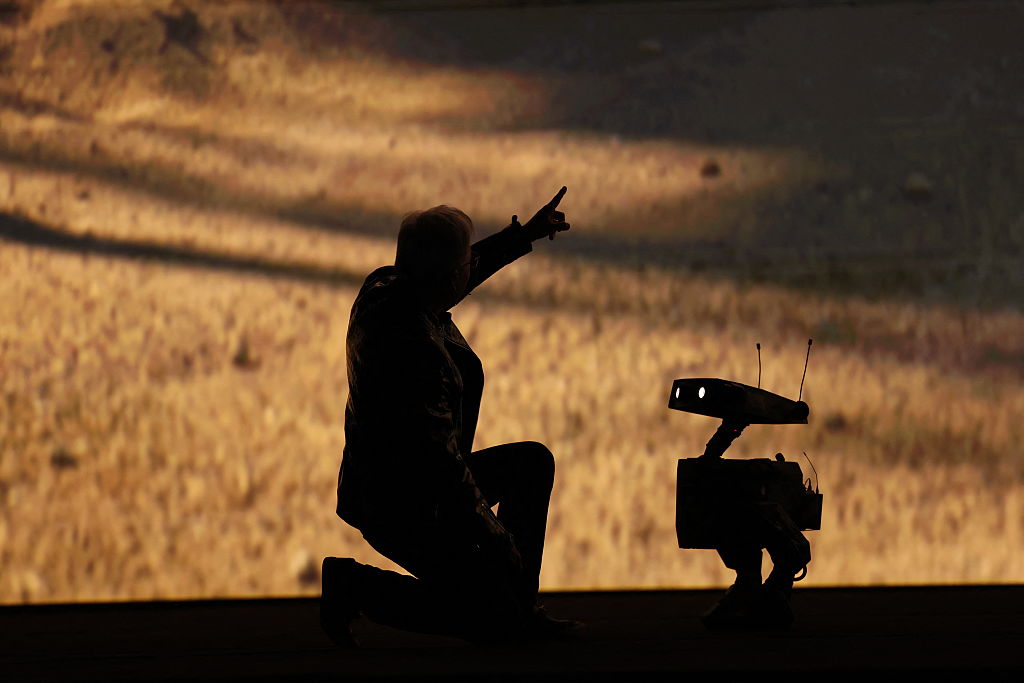
Nvidia has set its sights on transforming the robotics landscape by positioning itself as a potential leader in generalist robotics. The company has an ambitious plan to be the “Android” of this new industry. Meant to kickstart an open ecosystem of robotic development. Fleshing out this vision is Nvidia’s dedication to offering comprehensive tools and support systems to developers.
In a parallel announcement, Nvidia released its Omniverse simulation tools to help plan and execute construction projects. With this new platform, engineers and architects can now easily create simulations of real-world conditions to streamline construction processes and save time and money on construction projects. Now, Nvidia is doing something similar with AI and advanced simulations. Their end goal is to transform the way we design and build infrastructure projects.
“In our hands-on test, the phone felt good to hold — not too heavy or light, and was easy to grip. Gadway told me the company settled on the device’s final form after dozens of 3D-printed shapes. The winning design for the phone features a contoured back that makes it easy to pick up and hold.” – Sarah Perez
The Return of Physical Keyboards and Smart Innovations
In what would’ve been a completely unrelated but very cool throwback to 2000s tech fads, CES 2026 showcased the release of the Clicks Technology Communicator. This cutting-edge phone brings back all the best BlackBerry feels. With its physical keyboard, it’s ideal for anyone who loves the feel of a keyboard under their fingers. Retailing at $499, this device merges new technology with classic style.
For people who value flexibility, Clicks makes a standalone $79 slide-out physical keyboard that works with a broad range of devices. This is without sacrificing the physical typing option users love. This accessory significantly improves user experience when using multiple platforms.
Alongside smartphones, CES 2026 unveiled Project Motoko—an experimental design that seeks to bring smart features without the glasses at all. This project aims to further develop interactive experiences, putting cutting-edge technology within greater public reach. Furthermore, Project AVA presents an AI companion in avatar form that occupies a user’s desk, offering support in daily tasks through interactive engagement.
Amazon has completely restructured its FireTV lineup and it’s worked, as they’ve surged into the market. They further introduced Artline TVs that include frames meant to mimic classic pieces of art. Each of these innovations intends to make it easy for smart technology to blend into the visual landscape of homes and neighborhoods.
Amazon’s Home Security Innovations
Amazon’s Ring doorbell technology has significantly changed since then, with new features including fire alerts, an app store, and more sophisticated sensors. From an experience standpoint, these enhancements put user safety and convenience first and offer homeowners peace of mind with whole-home security solutions. By building AI capabilities into their devices, Amazon is focused on building smarter home environments that prevent threats before they occur.
AI is revolutionizing residential security systems, unlocking features like… This change indicates a much larger trend found throughout CES 2026, where every company is focused on creating better, more intuitive user experiences through smart technology. This trend highlights the need to combine pragmatism with a spirit of innovation in our digital age.