

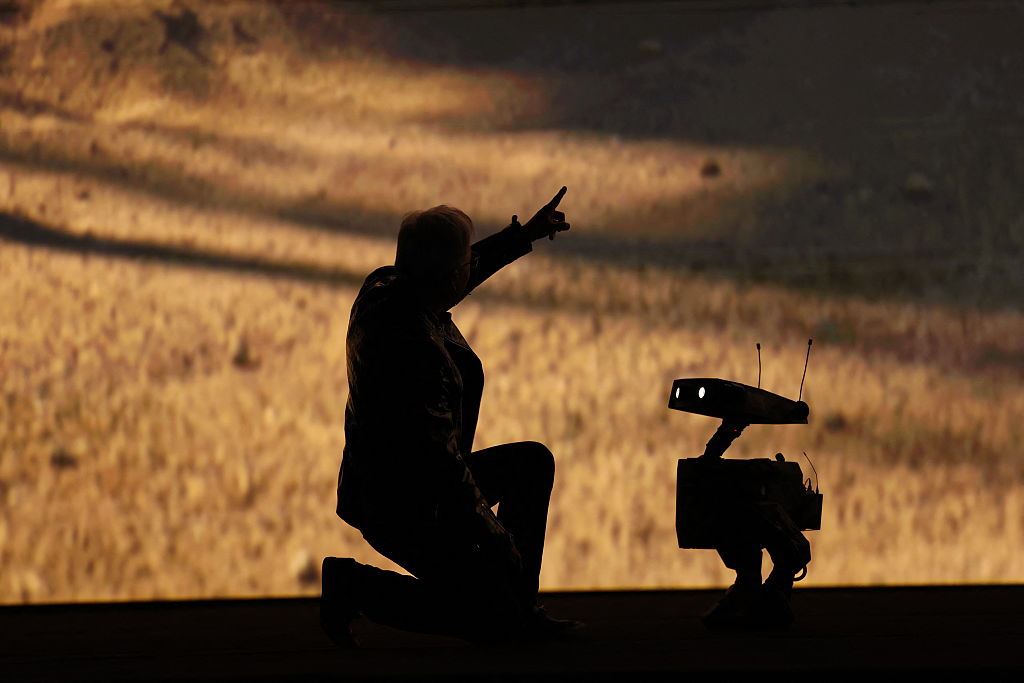
The 2026 Consumer Electronics Show (CES) wowed attendees with a groundbreaking array of innovations. They pointed to the dramatic breakthroughs in computing architecture and AI technology. Big players such as AMD and Nvidia were center stage. They released several promising new products laser-focused on capitalizing on the rapid momentum behind artificial intelligence. The event, held in Las Vegas, highlighted a diverse range of technologies that promise to redefine consumer expectations and enhance everyday experiences.
Nvidia is putting its chips on the table in a big way. In the second half of the year, the company will begin transitioning from the Blackwell computing architecture to the new RUBIN computing architecture they’ve developed. This change is intended to help meet the growing computational needs spurred by the adoption of AI. AMD in mid-August released its mid- and low-end processors with Ryzen AI 400 Series. These new chips are primarily aimed at general use and gaming, further entrenching AMD’s position as a major contender for AI hardware.
Nvidia’s Ambitious Robotics Goals
Nvidia’s vision extends beyond traditional computing. The company firmly believes that their infrastructure will lay the foundation for generalist robotics. It plans to be known as the “Android of generalist robotics.” Nvidia’s overarching goal is to make every robotic application made possible with AI capabilities. This change in strategy opens the door to a new age of automation and efficiency.
The potential consequences of this move are enormous. By providing a standardized platform for robotics, Nvidia seeks to simplify the deployment and scalability of robotic solutions across various sectors. With industries around the world embracing automation at a rapid pace, Nvidia’s work will no doubt be key in smoothing these transitions.
In addition to its focus on robotics, Nvidia’s innovations encompass new software and frameworks designed to enhance AI capabilities across devices. The company is excited to get those new AI features into the hands of everyone in Beta. They’re looking beyond specialized devices to consumer products, too.
Groundbreaking Products from AMD and Beyond
At CES 2026, AMD launched its latest breakthrough in AI technology with the Ryzen AI 400 Series processors. Together, these processors build an incredible platform for innovative, everyday computing experiences and gaming. They fulfill the technical requirements of an ever-growing consumer base that is increasingly demanding high yield from their technologies. AI capabilities are poised to supercharge these new processors. This enhancement will have a major impact on user experiences, particularly in gaming use cases that require immediate processing of data on the edge.
AMD’s launch of these processors is part of a larger movement across the industry toward AI-powered computing solutions. As audiences continue to demand smarter, more intuitive and adaptive technology, AMD is committed to empowering these experiences with breakthrough, intelligent hardware.
At the same time, some pretty exciting products were unveiled at CES to close out 2020. Help Clicks Technology Communicator Clicks Technology Communicator, the new smartphone recreates a sense of BlackBerry devices. It has a physical keyboard and starts at $499. Sarah Perez reported on its design, noting that in hands-on tests, “the phone felt good to hold — not too heavy or light, and was easy to grip.” This feedback further emphasizes the intentional design process that went into creating the device. The team did a lot of prototyping before coming to the final form.
Expanding Technological Horizons
CES 2026 unveiled futuristic projects that explored the limits of consumer technology. Project Motoko wants to bring features like the ones you’d find in smart glasses, without the need for glasses at all. Support for this initiative is indicative of a more permanent trend toward developing more seamless and integrated technology experiences for consumers.
Project AVA is yet another creative effort. On the technical side, the project prioritizes providing users with a friendly artificial intelligence companion that can manifest as an avatar on their desks. This concept could change how individuals interact with AI technology daily, potentially making digital interactions more personal and engaging.
Amazon’s big thing was advancing its Doorbell of Dystopia, Ring. FROM WILDFIRES TO APP STORMS Since taking office, they’ve rolled out fire alerts, an app store, and new sensors to improve security. This evolution represents Amazon’s continued focus on bringing innovation and technology to the residential security of homes.
Amazon completely redesigned its Fire TV product line and introduced Artline TVs with Alexa built in. This move further illustrates their commitment to smart home technology, a vision of creating more interconnected living spaces.
On the educational side, Lego launched smart bricks that are meant to foster creative building, free from screens. This cutting-edge approach to play promotes makerspace-style creativity and ingenuity through a STEM-based lens that introduces modern technology to timeless formats.
Caterpillar has announced improvements to its excavator line. These improvements will use Nvidia’s Omniverse simulation infrastructure, highlighting the thrilling intersection of construction and digital applied sciences.
Lastly, Roku revealed plans for a $3 streaming service that will expand its platform availability across various devices, aiming to broaden access to content for users everywhere.
